

When you’re headed into the African bush, your usual hard-shell spinner isn’t going to cut it. From bumpy jeep rides and bush planes to unpredictable weather and strict weight limits, the demands of a safari are unlike any other trip I’ve taken. After testing different gear on multiple safaris across Kenya, Tanzania, and South Africa, I’ve narrowed down the best luggage for African safaris—the bags that can take a beating and keep your gear safe, dry, and organized.
In this guide, I’ll walk you through what to pack and what to pack it in, based on real-world experience.
What Makes Safari Luggage Different?
Safari travel usually includes:
- Light aircraft flights with strict weight restrictions (think 33 lbs total including carry-on).
- No paved roads — just dirt, rocks, and sometimes mud.
- Dust, sun, and sudden rainstorms — you need gear that can handle it all.
- Frequent unpacking and repacking at mobile camps or lodges.
Hard-sided luggage may be great for airports and hotels, but it becomes a burden when you’re trying to toss it into a bush plane or load it into a soft-top Land Rover. Not to mention, hard-shell cases don’t play well with weight limits and tend to take up more space. What you really need is a soft-sided duffel that can squish, flex, and handle a few knocks.
Also consider luggage with:
- Lockable zippers to keep contents safe in transit.
- Bright colors or name tags to spot your bag easily.
- Multiple grab handles for easy hoisting onto jeeps or planes.
- Compression straps to help minimize bulk.
| Photo | Title | Buy |
|---|---|---|

| Filson Men's Medium Rugged Twill Duffle Bag, Navy, One Size |

|

| Patagonia Duffle Bag 49343 Black Hole Duffel 55L (Black Hole Duffel) TDT Navy Green [Parallel Import] |
|

| Eagle Creek Migrate 60L Travel Backpack Duffle Bag with Tuck-Away Backpack Straps, Full-Access Wide Mouth Opening & Seamless Bottom Bathtub Construction, Black |
|

| Osprey Transporter 65L Travel Duffel Bag, Black OS |
|

| Nomad Lane Carry-On Luggage Duffel Bag, Durable & Lightweight Suitcase. Bento Bag, Personal Item Weekender Travel Bag for Men & Women, Bordeaux Berry |
|
Filson Medium Rugged Twill Duffel: Most Durable Pick
Filson is legendary in the world of outdoor gear, and this duffel lives up to the name. I brought this on a 10-day safari in Tanzania, and it handled everything from bush plane loading to being strapped to a dusty Land Cruiser.

Real World Use
The rugged twill resisted scratches, dust brushed right off, and the bridle leather handles gave it a premium feel. While it doesn’t have wheels, the compact profile made it easy to toss around without worry. I liked the simple, cavernous interior for stuffing pouches, boots, and camera gear. It also passed the “sit test” — meaning when I used it as a makeshift stool while waiting at a private airstrip, it didn’t collapse or deform.
Pros:
- Incredibly tough build.
- Classic safari look.
- High-end materials.
Cons:
- No wheels.
- Expensive.
- Limited internal organization.
Patagonia Black Hole Duffel 55L: Best Weatherproof Option
On a Botswana trip, I needed a water-resistant option for a river-based safari with mokoro (dugout canoe) excursions. The Patagonia Black Hole Duffel became my go-to. It’s soft-sided but holds its shape decently well.

Real World Use
The ripstop material shrugged off rain and mud without issue. I used packing cubes inside for better organization, and the backpack straps came in handy when navigating muddy trails. Plus, it weighed next to nothing. I particularly appreciated how the zippers stayed functional despite dust, and the fabric could be wiped clean with a single swipe of a towel.
Pros:
- Water-resistant and durable.
- Lightweight.
- Converts to backpack.
Cons:
- No external frame = slouchy when half-packed.
- Zippers could be more robust.
- Needs packing cubes for best organization.
Eagle Creek Migrate Duffel 60L: Best Budget Safari Bag
I took this bag on a South Africa + Kruger combo trip where I wanted something affordable that still held up. The Eagle Creek Migrate Duffel surprised me with its resilience and smart design features.

Real World Use
It folds flat when empty, is made of recycled materials, and the front zip transforms the entire duffel into a gear bucket (great for sorting). I threw it on dusty jeeps and through baggage carousels, and it survived without a single tear. It also comes with a storm flap over the zipper, which adds an extra layer of protection from dust and rain.
Pros:
- Budget-friendly.
- Converts into gear bucket.
- Easy to clean.
Cons:
- Slightly awkward shape when packed full.
- Less luxurious feel.
- Not fully waterproof.
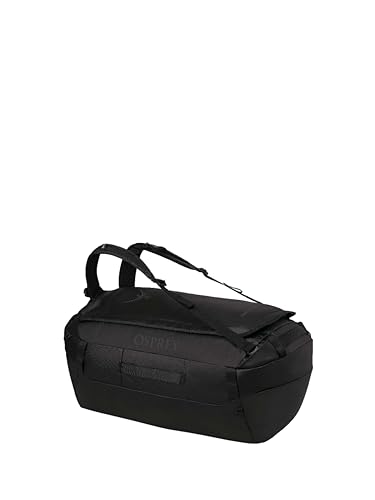
Osprey Transporter 65: Best for Organized Travelers
If you like having structure and compartments, the Osprey Transporter 65 nails the balance between duffel and travel pack. I used this on a private safari in Kenya where I was constantly changing camps.
Real World Use
The interior compartments let me keep shoes, clothes, and toiletries separate. Its padded sides gave more protection than a typical duffel, and the backpack straps were key when trekking to more remote lodges. The lid-style top opening is convenient, and the zippers are reinforced and weather-resistant. Plus, it handled rough handling by porters and bush staff with no rips or busted seams.
Pros:
- Padded and structured.
- Multiple compartments.
- Tough, water-resistant fabric.
Cons:
- Slightly heavier.
- Not as flexible for tight cargo areas.
- Bulkier compared to basic duffels.
Nomad Lane Bento Bag: Best Safari Carry-On
Even if your main bag is a duffel, you’ll want a solid carry-on for essentials and day-use. The Nomad Lane Bento Bag is compact, tech-friendly, and ideal for international flights leading up to your safari.

Real World Use
I kept my passport, binoculars, iPad, chargers, and safari documents in here. It fits under most airplane seats and opens like a clamshell for quick access. Not one for the bush per se, but perfect for the airport-safari transitions. Also great for packing personal meds, snacks, or things you don’t want in your checked duffel.
Pros:
- Compact and airline-friendly.
- Multiple pockets for tech and documents.
- Stylish and smart.
Cons:
- Not meant for rugged use.
- Smaller capacity.
- Doesn’t double as a daypack.
Bonus Tip: Don’t Forget a Daypack
While your main safari luggage sits in the tent or jeep, you’ll want a lightweight daypack for morning game drives or short hikes. I’ve found that a foldable nylon daypack works best. It packs flat in your duffel and holds essentials like sunscreen, bug spray, water, and a zoom lens. Brands like REI Co-op, Matador, or Sea to Summit make solid options.
Comparison Table
| Luggage Model | Best For | Water-Resistant | Backpack Straps | Weight (Empty) | Price Range |
|---|---|---|---|---|---|
| Filson Rugged Twill Duffel | Durability | ❌ | ❌ | 4.5 lbs | $$$$ |
| Patagonia Black Hole 55L | Wet & dusty conditions | ✅ | ✅ | 2.4 lbs | $$$ |
| Eagle Creek Migrate 60L | Budget travel | ✅ | ✅ | 2.9 lbs | $$ |
| Osprey Transporter 65 | Organization lovers | ✅ | ✅ | 3.8 lbs | $$$ |
| Nomad Lane Bento Bag | Carry-on/day use | ❌ | ❌ | 2.0 lbs | $$$ |
Final Verdict
The best luggage for an African safari isn’t about flashy features—it’s about rugged reliability, packability, and weather resistance. If you’re headed into the wild:
- Go Filson if you want durability and don’t mind the price.
- Pick Patagonia Black Hole for a lightweight, rain-ready option.
- Choose Eagle Creek if you’re budget-conscious but still want performance.
- Opt for Osprey Transporter if you want more structure and compartments.
- Don’t skip a compact carry-on like the Nomad Lane Bento Bag for your flight essentials.
- And toss in a foldable daypack for everyday use on the trail.
Having the right luggage won’t guarantee you’ll spot a leopard in the tall grass—but it will make sure you’re focused on the experience, not fumbling with broken zippers or soaked clothes.
Have your own go-to safari bag? Let me know how it held up in the wild! I’m always curious to hear what survived the bush and what didn’t.